


No products in the cart.
Leather Guide
How to Condition Leather Bags the Right Way

04
Jan
Jan
How to Condition Leather Bags the Right Way
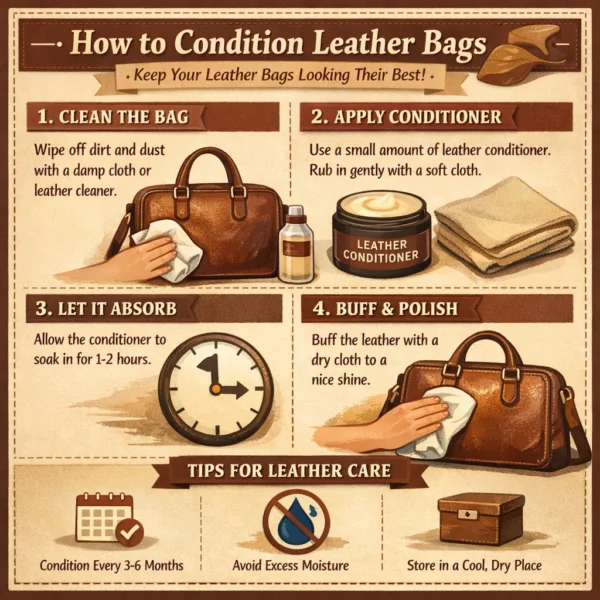
This article is part of mastering leather bag care series
Why Conditioning Leather Bags Matters
Conditioning leather bags without the right know-how can feel frustrating, but with a little care, you can keep your leather softer and looking fresh. Leather isn’t just a style; it’s a legacy stitched with skill. Without proper conditioning, your leather bag can dry out, crack, and fade quickly. So let’s dive into how to condition leather bags the right way.
Leather is natural and breathes, but over time, sun, dust, and wear suck the oils from its hide, leaving it dry and brittle. Dry leather cracks and loses its supple feel, eventually fading and weakening. Proper conditioning is essential for rehydrating dry leather, restoring its flexibility, and protecting it against the elements.
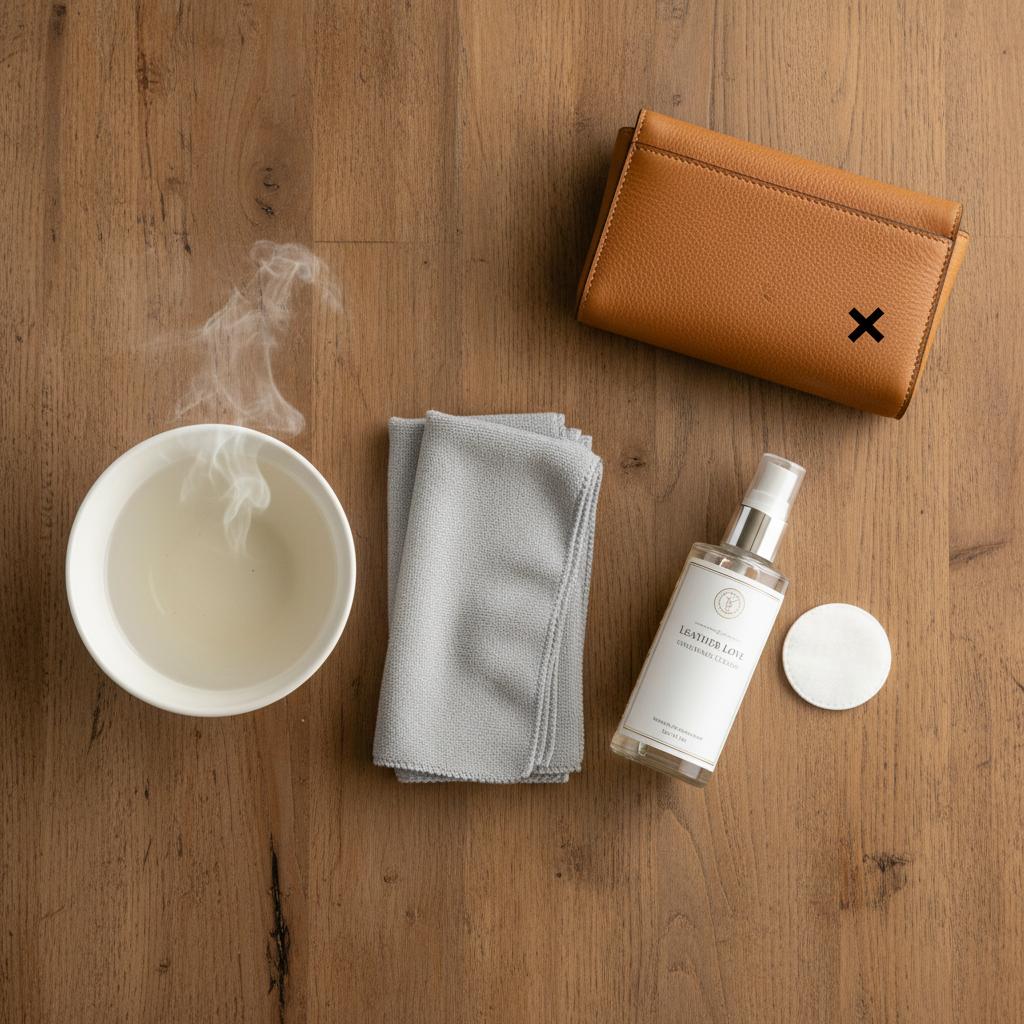
Step 1: Clean Your Bag Thoroughly Before Conditioning
Before applying any conditioner, clean your leather bag well. Dirt and grime clog the pores, preventing conditioners from penetrating effectively. Use a soft, dry cloth or brush to remove dust. For tougher spots, use a slightly damp microfiber cloth with mild leather cleaner—avoid harsh soaps or bleach. Always dry the bag in shade and spot-test any new conditioner first.
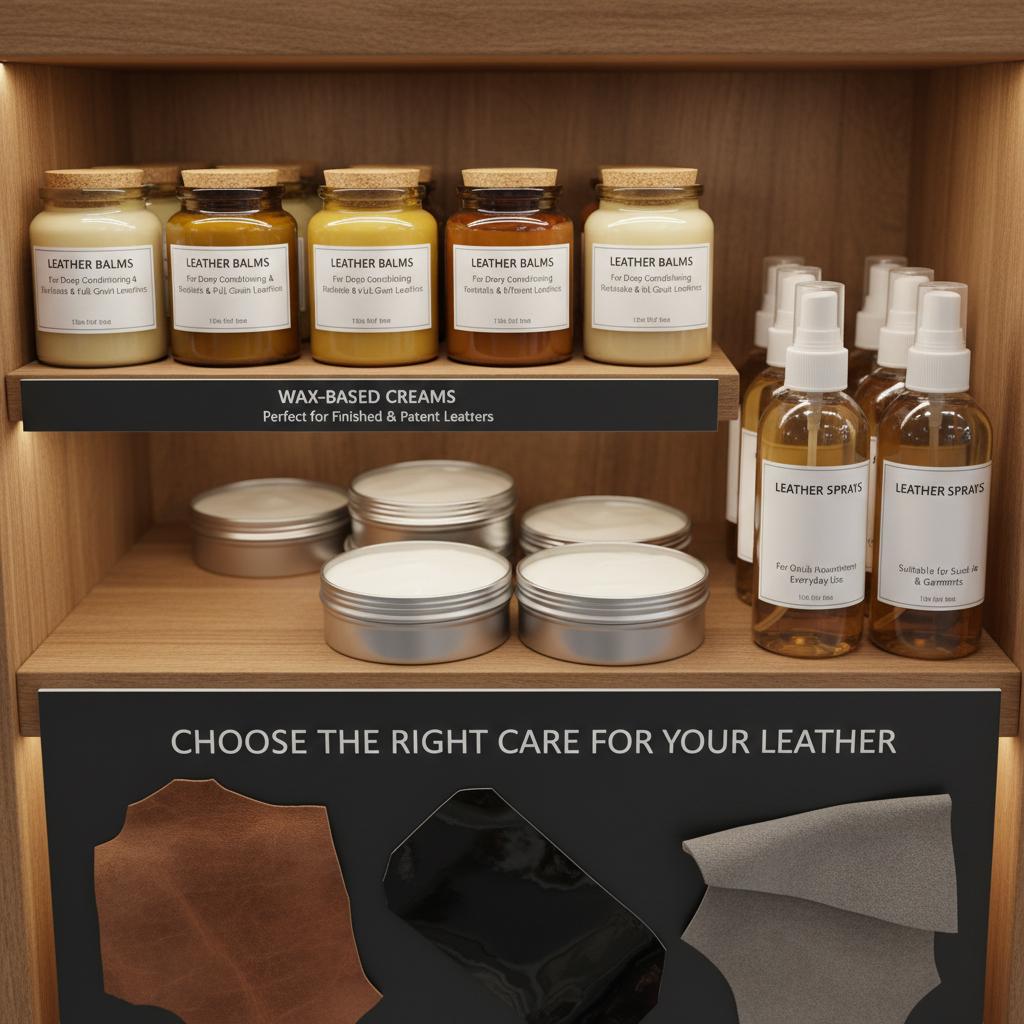
Step 2: Choose the Best Leather Conditioner for Your Bag
Not all conditioners are created equal. For full-grain and vegetable-tanned leather, opt for balms or wax-based conditioners for deep nourishment. For softer leathers like Nappa or Saffiano, creams or lotions work best. Suede and aniline leathers need special light conditioners or sprays to preserve their delicate finish. Avoid silicone-based or heavy oil products that can clog pores or darken leather.
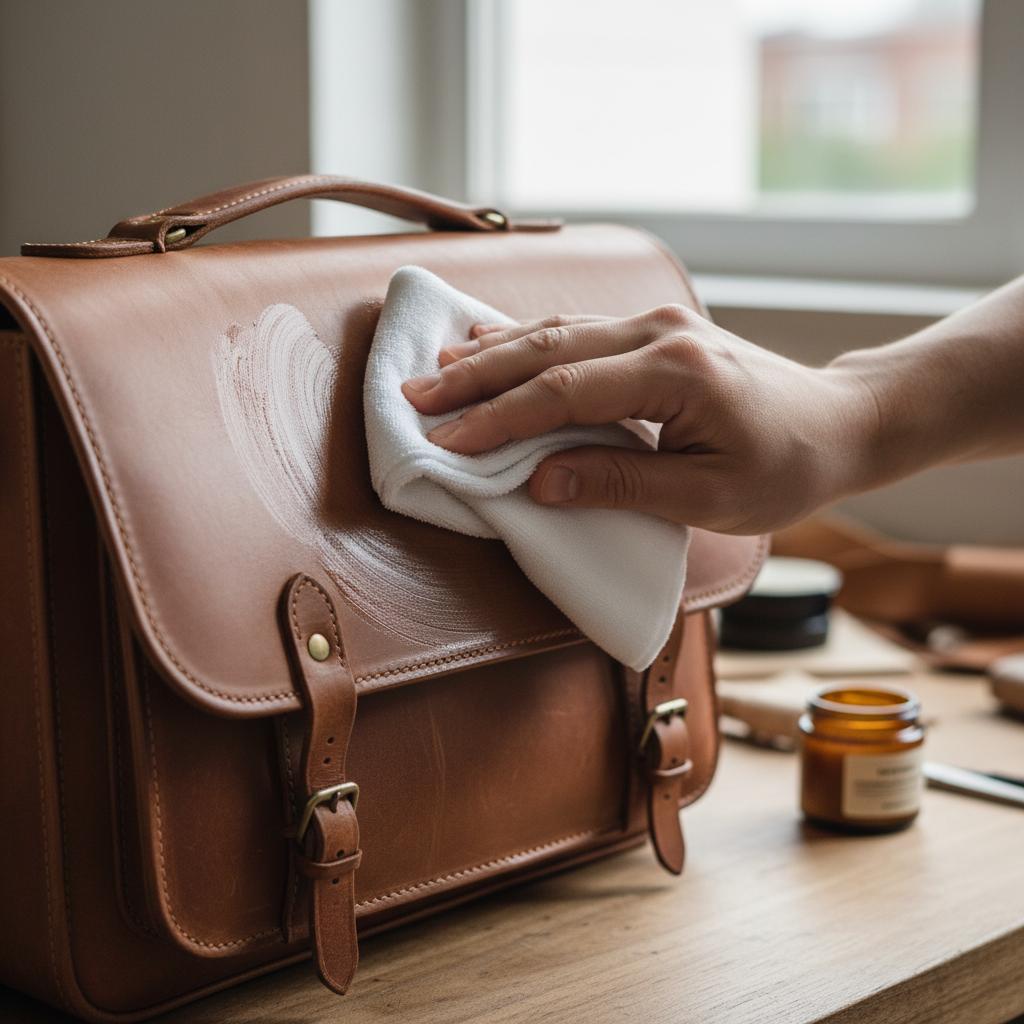
Step 3: Apply Conditioner like a Pro
Using your chosen product, apply a small amount—a pea-sized dab is enough—onto a soft cloth. Gently massage the conditioner into the leather in small circular motions, focusing on worn areas. Let it absorb for 15 to 24 hours. Finally, buff with a soft brush or cloth to bring out a natural shine without greasiness. For added protection, a thin layer of beeswax-based cream can help seal moisture.
Step 4: How Often to Condition
Condition every 3 to 6 months depending on usage and climate. Bags exposed to harsh conditions may need more frequent care. Look for signs like stiffness, cracks, or dryness, indicating your leather needs rehydrating.Our leather bag care and stain removal guide explains how to protect leather long-term
Common Mistakes to Avoid
Over-conditioning can suffocate leather, causing stains and stickiness. Cheap conditioners may dry out your bag or clog its pores. Avoid waxing too often, as it traps moisture and dust. Always choose quality, natural products for the best results.
Leather Bag Care Tips
- Store your bag in a cool, dry, and breathable place.
- Avoid heat sources and direct sunlight.
- Blot spills quickly—never rub.
- Don’t overload your bag, as heavy weight strains leather and seams.
Final Thoughts
Leather bags hold stories and style. Learning how to condition leather bags properly with the best leather conditioner and homemade conditioning tips keeps them supple and lasting. Clean well, select the right product, apply sparingly, and let your bag soak up the goodness. Your leather companion will age gracefully and shine bright for years to come.