


Leather Guide
How to Fix Scratched Leather and Restore Old Handbags
Jan
Why Fix Scratches on Leather ASAP?
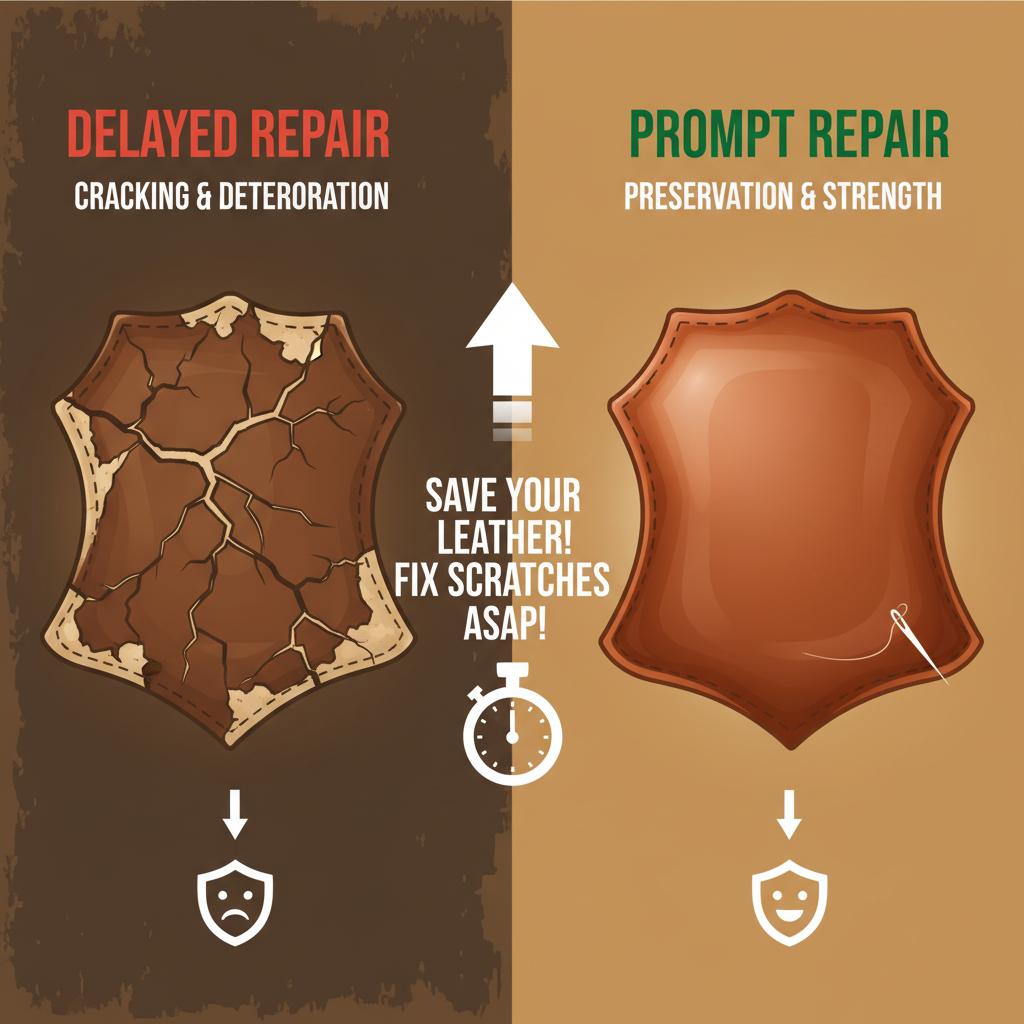
Leather is tough but not invincible. Scratches and scuffs may seem like battle scars, but leaving them unattended can lead to cracks, dry patches, and a worn-out look that diminishes your leather’s appeal—and value. Prompt repair preserves not only the look but the durability and soul of your leather items, saving you money and heartbreak down the road.
Fixing scratches is only one step in preserving leather. Our guide to mastering leather bag care covers everything from cleaning to long-term protection.
Understanding Your Leather Type for Effective Repair
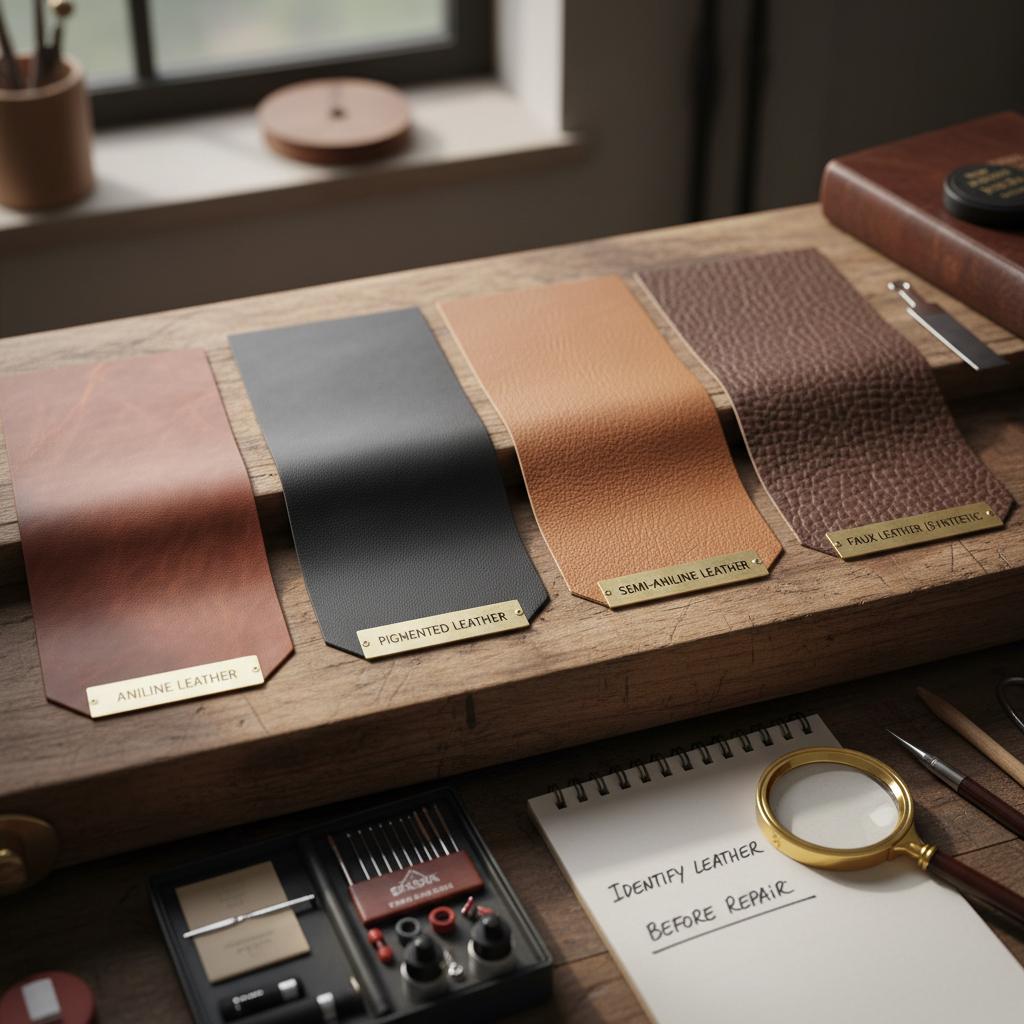
Before jumping in, identify your leather: aniline, pigmented, semi-aniline, or faux leather. Each type requires a different approach for restoring old handbags or polishing leather purses. Testing repair products on a hidden area ensures you avoid damaging your leather during the process.
Essential Tools for DIY Leather Repair
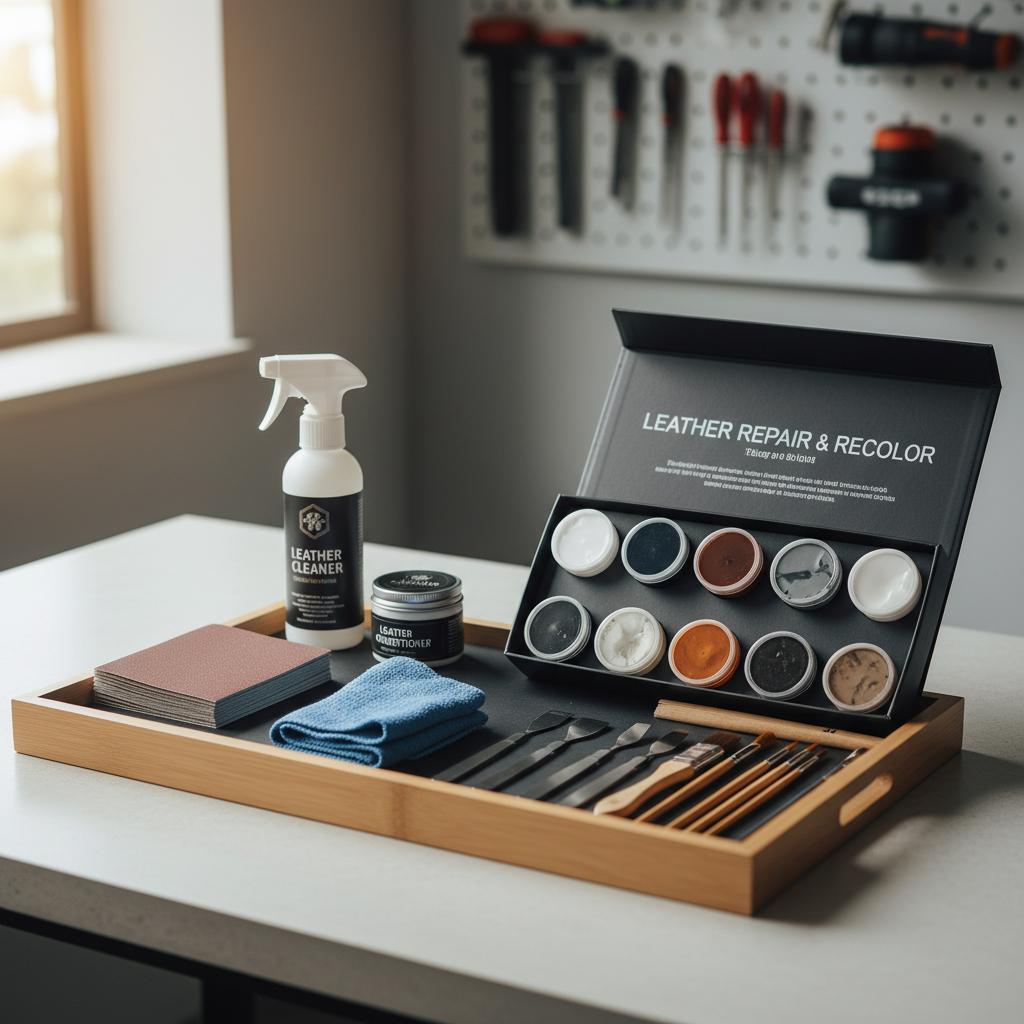
Prepare your leather fixer’s toolbox with a gentle leather cleaner, soft microfiber cloths, leather conditioner (or mink oil), fine-grit sandpaper, a leather repair kit with fillers and colorants, and tools like palette knives and soft brushes. These essentials make fixing scratches and polishing leather purses easier and more effective.
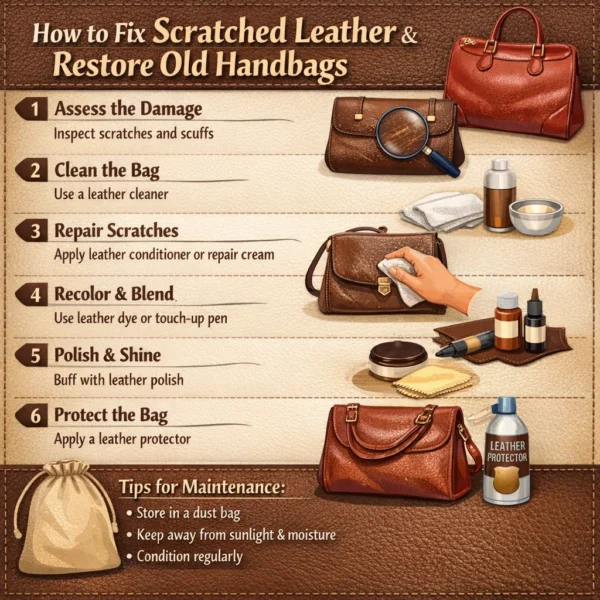
Step-by-Step Guide to Fix Scratched Leather
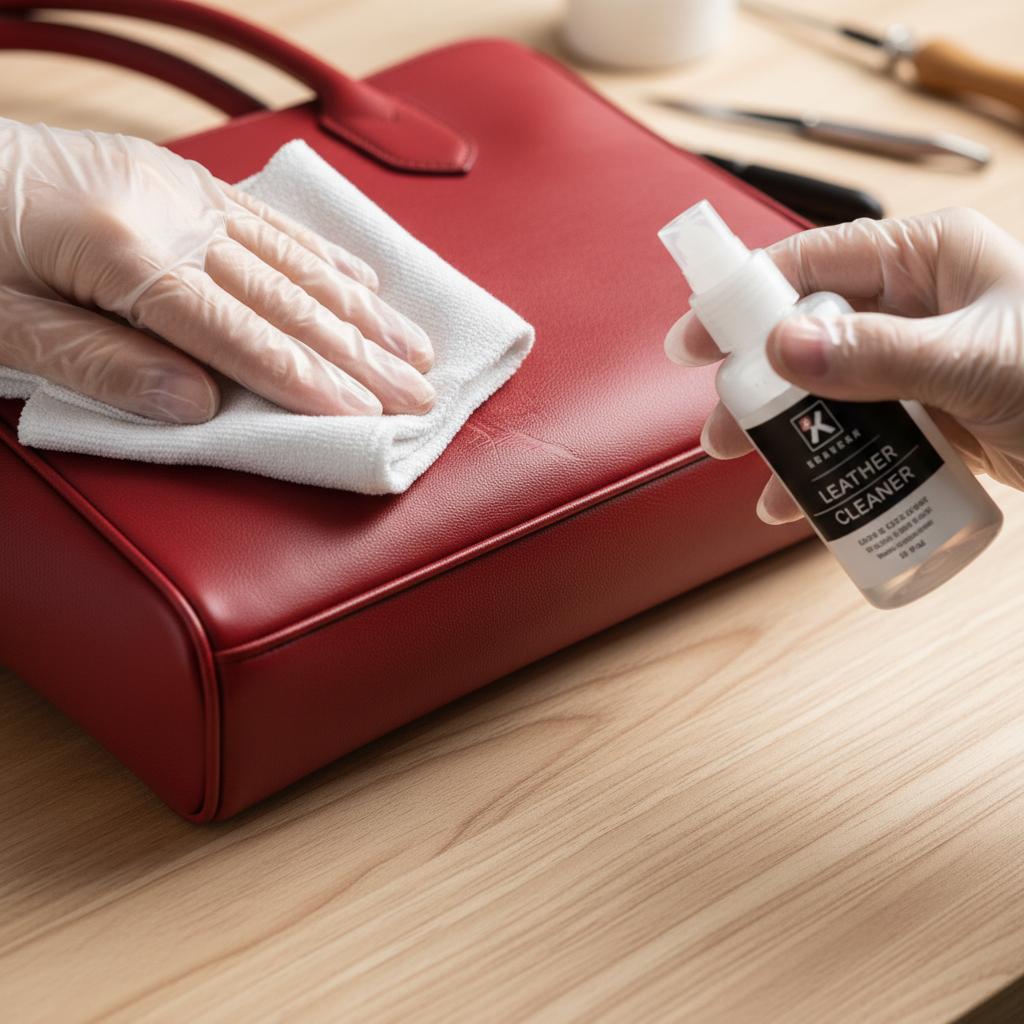
Cleaning: Start by thoroughly cleaning the leather to remove dirt and oils around the scratch.
Conditioning: Apply leather conditioner to hydrate the leather, which often reduces the appearance of light scratches by plumping the hide.
Buffing: Gently buff the area with a soft cloth to restore shine.
For deeper scratches and scuffs, after cleaning and conditioning, carefully sand the rough edges, apply leather filler smoothly, allow it to dry fully, sand again for a smooth finish, and then apply colorant and sealer. This process effectively restores old handbags and rejuvenates leather purses.
Tips for Polishing Leather Purses and Restoring Handbags
- Mix colorants patiently for a perfect match.
- Use thin layers of filler and dye to avoid an unnatural look.
- Optionally, use heat tools to restore leather grain for a professional finish.
- Always test on a hidden spot before full application.
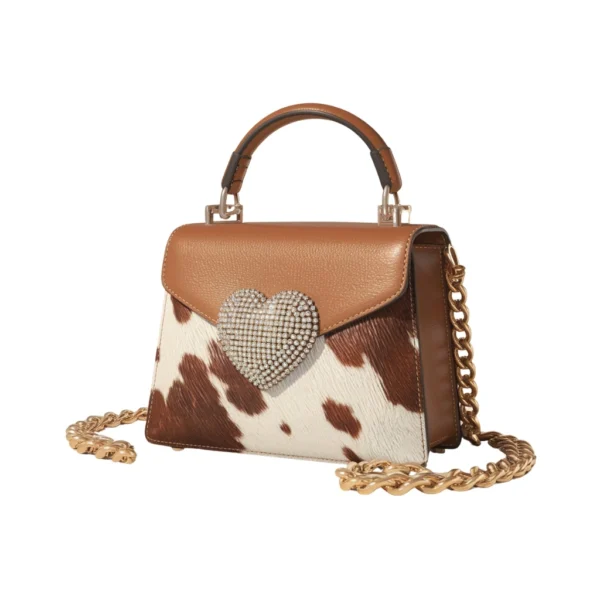

Cowhide Purses & Bags
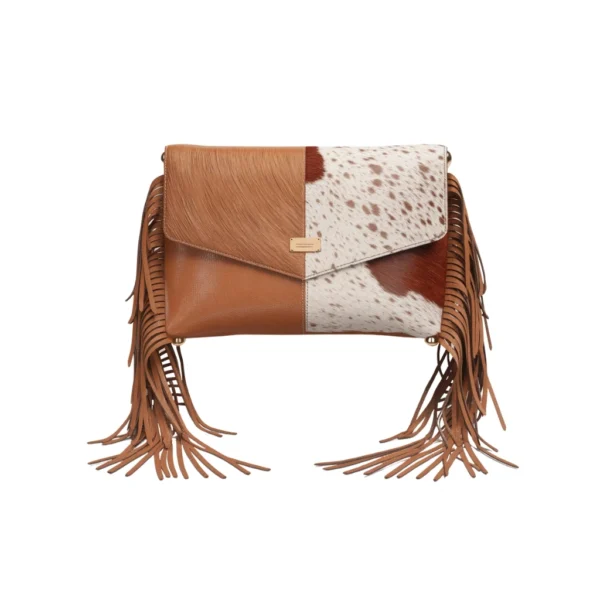

Cowhide Purses & Bags
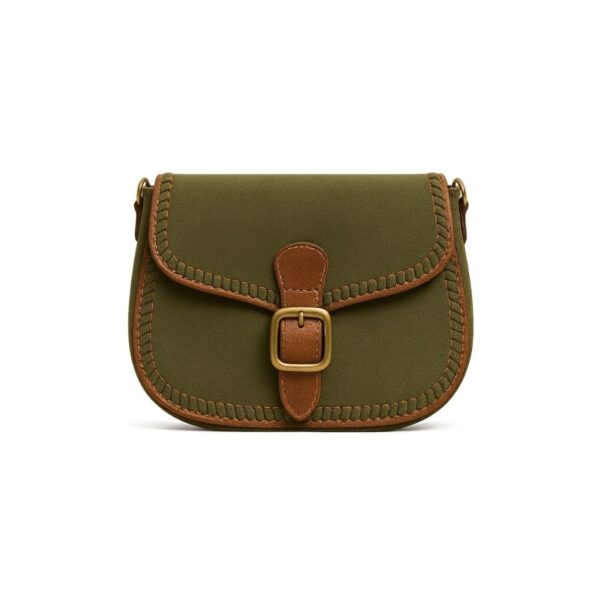
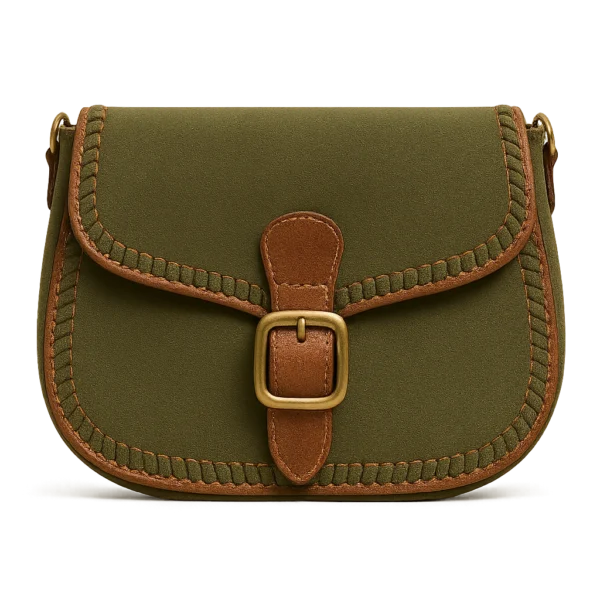
Suede Purses & Bags
The Heritage Buckle Crossbody Bag – Luxe Handbag with Chain Strap & Buckle Closure
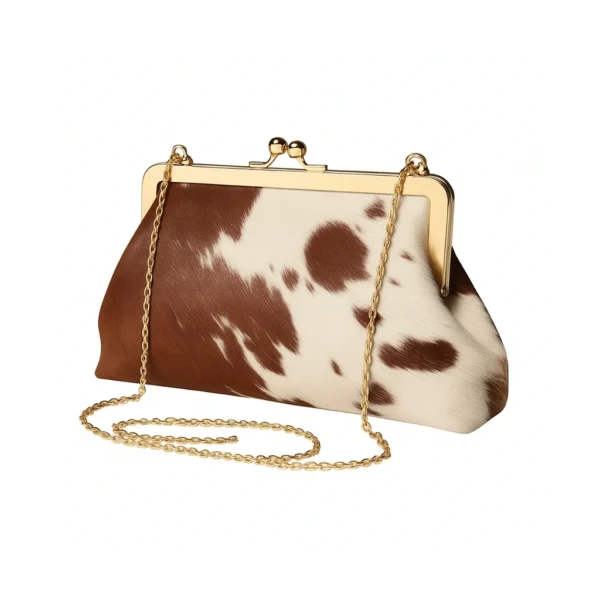

Cowhide Purses & Bags
Prevention: Keep Leather Beautiful Longer
To keep your leather items looking their best, clean and condition them regularly, protect them from harsh sun and heat, and use protectant sprays to keep scratches at bay. Proper care extends the life of your leather and reduces the need for repairs.
Real-Life Success Stories
Customers have saved hundreds restoring old handbags and fixing car seat scratches by following these DIY steps. Even minor scratches on leather purses can vanish with consistent conditioning and polishing.
Ready to Give Your Leather New Life?
Ensure you have the right materials, identify your leather type, and follow these steps to confidently repair scratches and restore old handbags. With care and patience, polishing leather purses and fixing scratches becomes an empowering DIY project.
Frequently ask questions (FAQs)
u003cstrongu003eCan I fix every scratch?u003c/strongu003e
Most surface scratches can be fixed at home, but deep tears may require professional help.
u003cstrongu003eCan household cleaners be used?u003c/strongu003e
No; only use products specifically designed for leather.
u003cstrongu003eHow often should I condition leather?u003c/strongu003e
Every 3 to 6 months is ideal.
u003cstrongu003eWhat about faux leather?u003c/strongu003e
Use specialized repair kits suited for synthetic materials.
u003cstrongu003eHow to prevent scratches?u003c/strongu003e
Handle with care, keep leather clean, and use protectants regularly.